
COVID-19 has transformed the concept of working from home, prompting many businesses to embrace it. As a result, world businesses may operate differently when the COVID-19 lockdown is over. As employers and employees return to their workplaces, they will have to adjust to commuting and in-person interactions. However, it is unlikely that things will ever go back to normal. The pandemic will have a lasting impact on workplace flexibility, and businesses will have to adapt to the changing landscape.
Flexible working arrangements have always been a desirable option for most people, particularly parents. The pandemic has given companies a better understanding of how to manage these arrangements, making them more feasible for employees. Remote working has provided employees with greater autonomy and control over their work-life balance, which is a positive development.
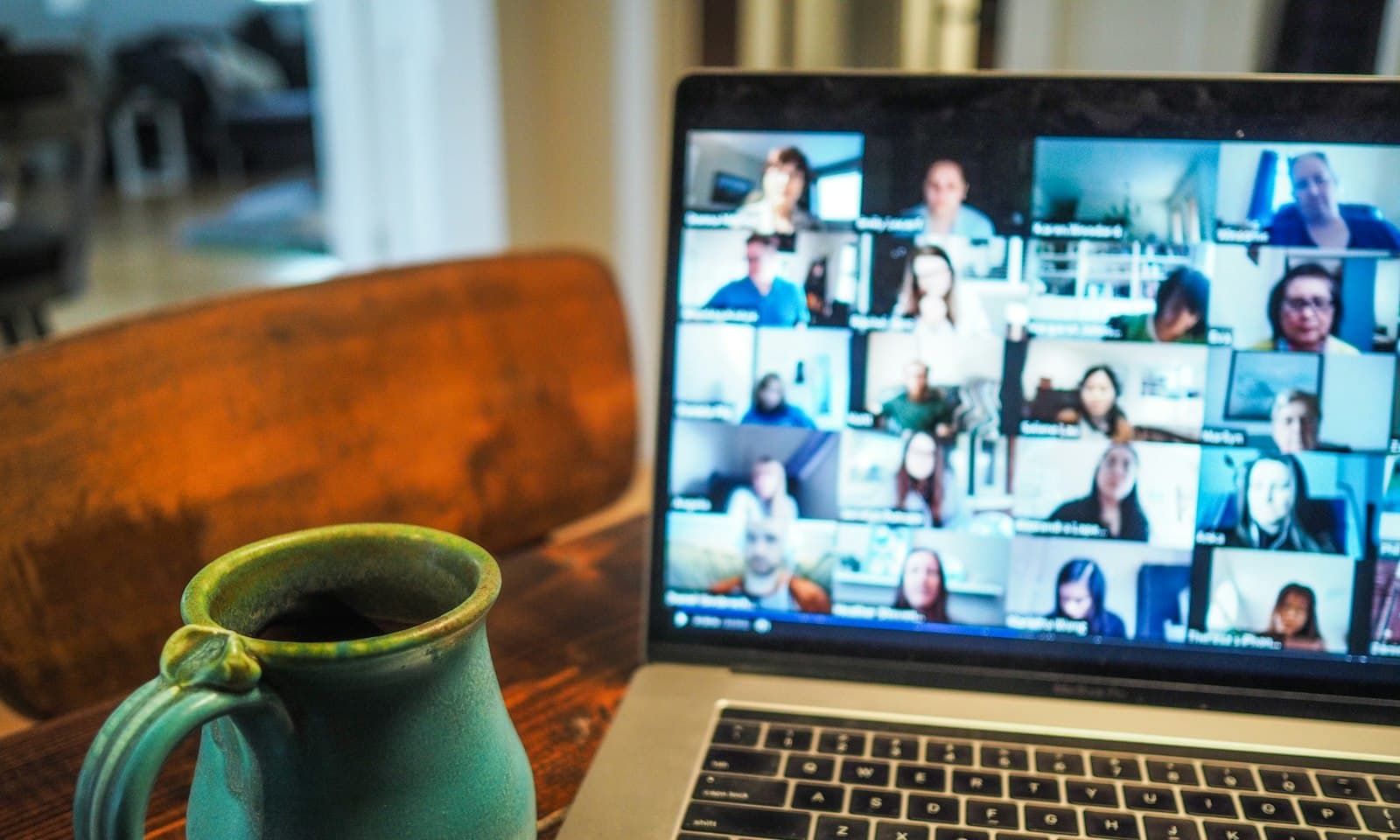
The pandemic has also highlighted the benefits of remote working. Companies have been able to reduce their workspace and save money while still maintaining productivity and connectedness with remote workers. With the availability of communication technology and audio-visual conferencing platforms like Zoom, Microsoft Teams, and Slack, employees can be connected from anywhere in the world.
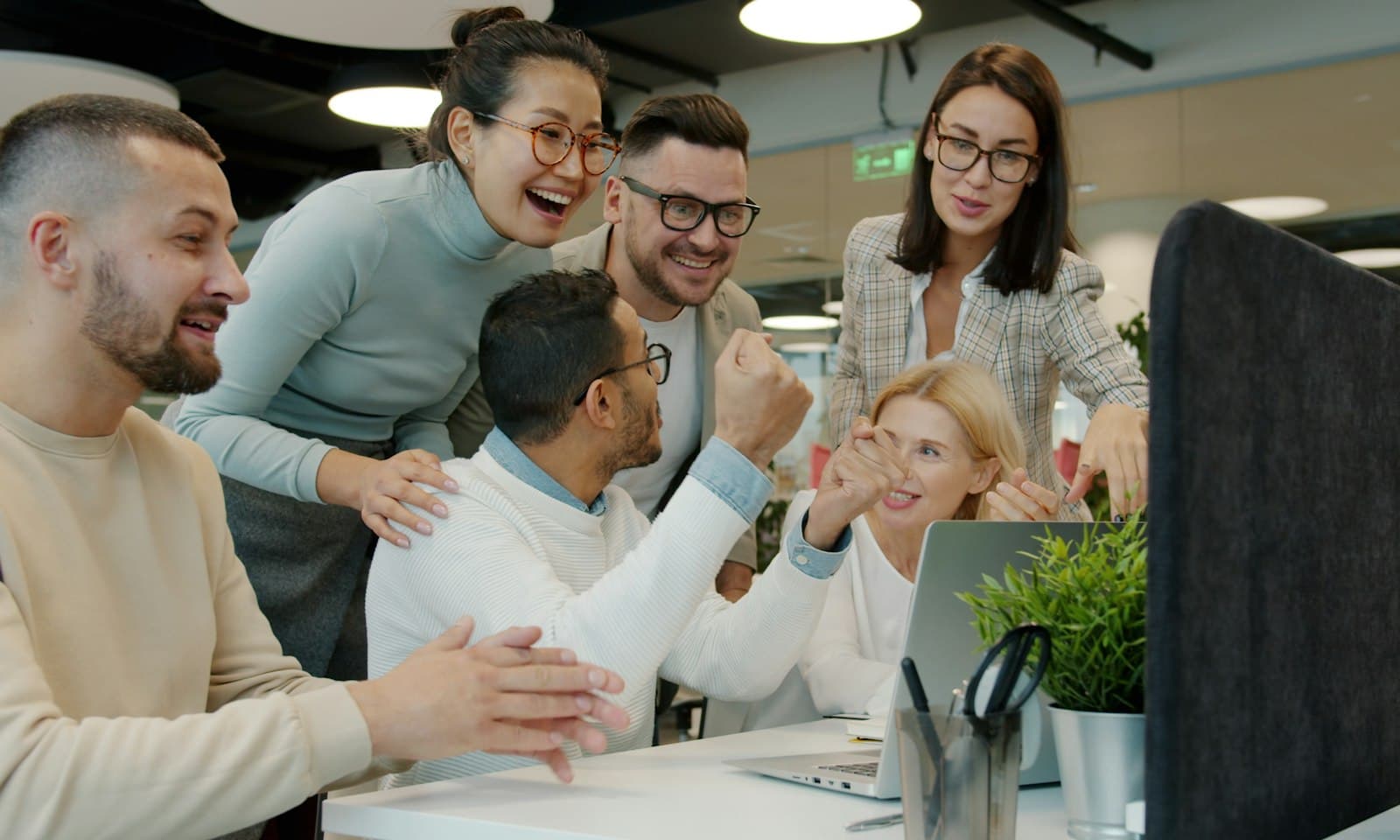
However, there are some challenges to consider. While remote working has its advantages, being in an office environment fosters collaboration, coordination, and personal connections. These factors are critical to creating a positive and productive workplace, leading to better products or services.
As we look towards life after lockdown, businesses and employees will have to engage in conversations about what works best for them. There is no quick fix, and the new normal will continue to evolve over time.
In conclusion, the COVID-19 pandemic has changed the way we work and interact with each other. Remote working is likely to become more prevalent in the future, and businesses will have to adapt to accommodate this shift. While remote working has its advantages, it is essential to balance it with the benefits of in-person interactions and collaboration. The future of work is still uncertain, but we can embrace the changes and learn to thrive in the new normal.